This post is my entry for the July 2026 BlogBlog Party theme: Interesting little facts and obscure concepts.
When I saw this month’s theme, I thought: this one is right up my alley. I’ve kept a notebook in Notion called Cool Facts for years, and every time the world “wow-ed” me, I’d drop a line into it. Here are seven of them from my collection.
1. A Manatee’s Skeleton #
For the longest time, I couldn’t understand how sailors could have mistaken manatees for mermaids. They look so different!
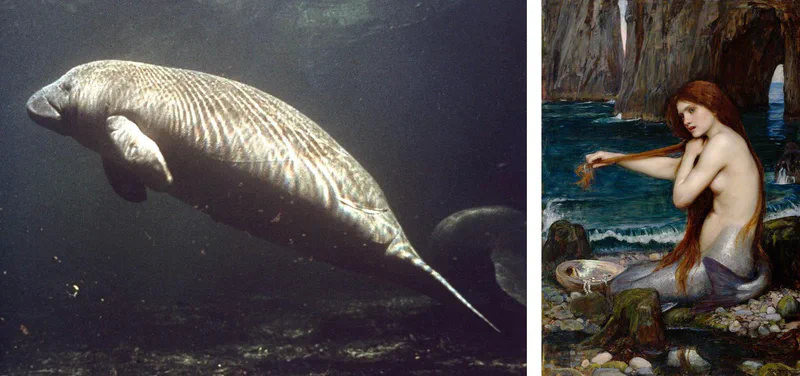
Until I saw a manatee’s skeleton.
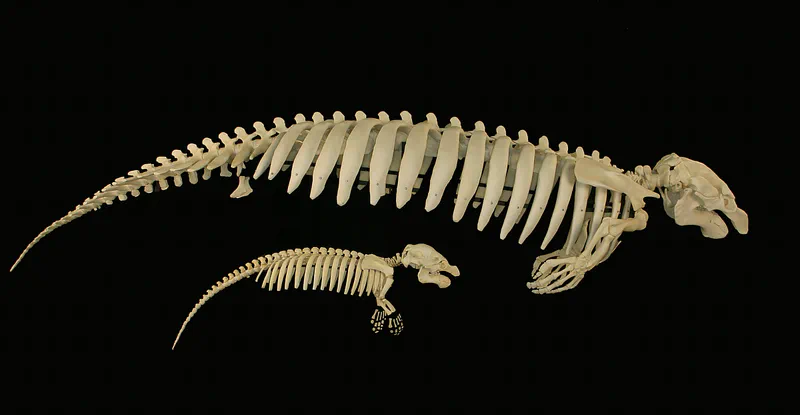
Inside those paddle-shaped flippers hides a full set of finger bones — four complete digits, extremely similar to a human hand.
And suddenly it made sense. Imagine your ancestor finding a manatee’s skeleton washed ashore on a deserted beach: a fish-like tail below, and above it, two “hand-like” bones. No wonder a mermaid is born.
2. Yosemite Means “They Are Killers” #
Last Christmas I visited Yosemite and learned that its name comes from the Miwok language, pronounced as yos-e-meti, meaning “those who kill,” or “the killers.”
“Yosemite” was not what the valley’s own people called themselves. It was the name the surrounding tribes used for them, out of fear. The people who actually lived there called their home Ahwahnee.
3. The Last Time All of Humanity Was on Earth Together Was in the Year 2000 #
On November 2, 2000, the first crew moved into the International Space Station. Since that day, the space above Earth has never been empty.
For more than twenty-five years, every sunrise, every war, every ordinary Tuesday, there has always been at least one human being not on Earth. Anyone younger than twenty-five has never lived a single day when all of humanity was on Earth at the same time.
4. Savanna Friendship #
Years ago, I was watching 2 Broke Girls, and there was an episode where Max and her crush text each other photos of unlikely animal friendships — creatures from totally different species hanging out together. I’ve always been curious about cross-species friendships, or symbiotic relationships, as scientists would call them. One well-known example is probably the hippo and the oxpecker.
Then in 2024, I went to Tanzania and learned about two lesser-known pairs of friends living in the East African savanna.
One pair is baboons and impalas.
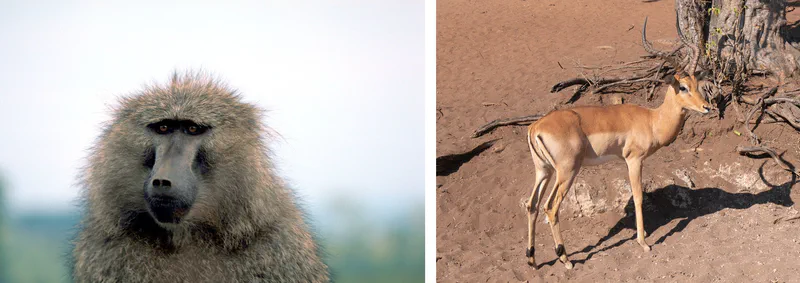
Baboons have great eyesight and can climb up trees to keep watch, while impalas have sharp ears and a keen nose. Put them together and they share intelligence — better odds of survival for both. There’s a bonus, too: baboons are always dropping half-eaten fruit from the trees, and the impalas get to snack on things they’d never reach on their own.
The other pair is zebras and wildebeest.
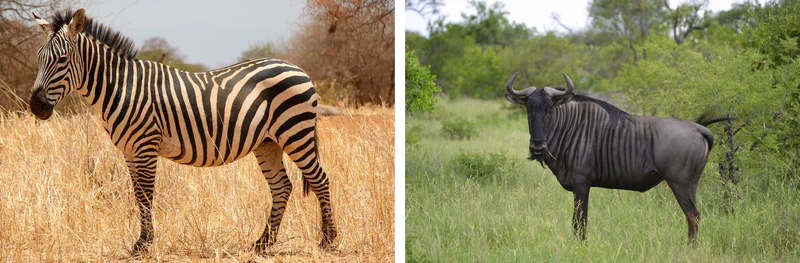
Zebras love the tall, coarse grass, so they eat the top layer and leave the tender, shorter grass underneath for the wildebeest. Zebras have good eyesight and a good memory — they can remember last year’s migration route — while wildebeest have sharp hearing and smell, and can pick up the scent of water dozens of kilometers away. So all along the migration, they travel together and look out for each other.
PS: The oxpecker perched on the hippo’s back, picking off ticks — that was the picture-perfect example of mutual benefit I learned as a kid. But it turns out it’s not so simple. Oxpeckers also peck at open wounds to drink the blood, keeping the hippo’s wounds from healing. In nature, the tidy-looking partnerships often come with fine print.
5. Saturn Would Float in a Bathtub #
Saturn is the only planet in the solar system less dense than water. Its average density is about 0.69 grams per cubic centimeter, while water’s is 1.0. Which means, if you had a big enough bathtub, Saturn would float.
6. Hyenas Are Closer to Cats Than to Dogs #
Hyenas look like dogs, and they run in packs like wolves. But they don’t belong to the dog family at all — they belong to the suborder Feliformia, the “cat-like” carnivores. Their closest relatives aren’t wolves or jackals, but cats, mongooses, and civets. It’s pure coincidence that they look like dogs and wolves — evolution started from a completely different branch of the family tree and just happened to land on a similar shape.
Here’s how the family tree actually branches:
flowchart TD
    C["Order: Carnivora"]
    C --> CAN["Suborder: Caniformia
(dog-like)"]
    C --> FEL["Suborder: Feliformia
(cat-like)"]
    CAN --> CANID["Canidae:
dogs, wolves, foxes"]
    FEL --> FELID["Felidae:
lions, tigers, house cats"]
    FEL --> HYA["Hyaenidae:
hyenas"]
    FEL --> HERP["Herpestidae:
mongooses"]
    FEL --> VIV["Viverridae:
civets"]
    style CAN fill:#e5e7eb,color:#000
    style CANID fill:#e5e7eb,color:#000
    style FEL fill:#cfe8ff,color:#000
    style FELID fill:#cfe8ff,color:#000
    style HERP fill:#cfe8ff,color:#000
    style VIV fill:#cfe8ff,color:#000
    style HYA fill:#ffd966,color:#000,stroke:#b8860b,stroke-width:2px
7. Wildebeest Actually Cross the River Back and Forth #
I first learned about the wildebeest migration from BBC documentaries. Their migration is driven by the climate — or more specifically, it follows the rain pattern. For example, every dry season, thousands of wildebeest throw themselves across the crocodile-lurking Mara River. Most people assume the crossing goes one way — until I went to the Serengeti and learned otherwise.
They actually cross back and forth. In the dry season, only the two banks of the Mara have grass and water, so once they make it across, they decide the grass on the other side looks greener after all, and cross right back.